Projects
Practical engineering projects showcasing design and implementation of skills acquired.
- All
- Modelling
- Research
- AI/ML
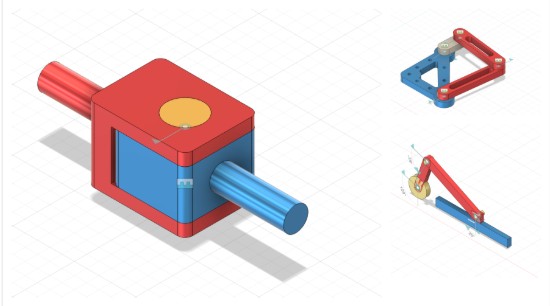
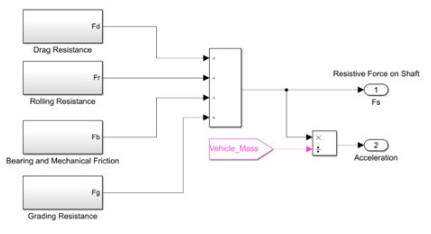
Electric Motorbike
Type: Technical Research Paper
Published in: International Research Journal of Engineering and Technology (IRJET)
Role: Lead author (4th listed)
Contribution: Designed and developed a fully functional electric motorbike focused on energy efficiency and sustainable mobility. Conducted performance analysis and cost-benefit evaluation for real-world application using MATLAB Simulink.

AI-NLP chatbot
Developed an intelligent chatbot leveraging the RASA framework for Natural Language Processing and conversational AI. Built and trained custom NLU models, defined interactive stories, and implemented custom actions using Python in the Thonny IDE. The project showcases end-to-end chatbot development from data preprocessing to deployment-ready dialogue flow.
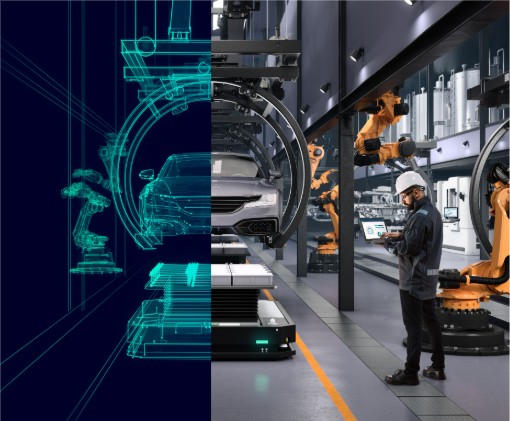
Schematic Review Digital Twin
Type: Review Paper
Role: Lead Researcher
Contribution: Developed a digital twin model to simulate real-time manufacturing operations for predictive maintenance and process optimization. Leveraged technologies such as IoT, simulation modeling, and real-time data integration to create a cyber-physical replica of the manufacturing line. Demonstrated improved decision-making, reduced downtime, and enhanced production planning using the digital twin framework using NVIDIA Omniverse and drawing comparison with SIEMEN technomatrix.
Data segmentation
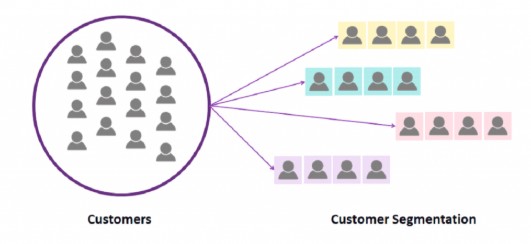
The goal of this project is to categorize users of an online platform into distinct segments based on their demographic, behavioral, and interaction data. By grouping similar users together, businesses can tailor marketing strategies, personalize experiences, and optimize advertising budgets for each segment.
Revolutionizing Clubfoot Bracing with Additive Manufacturing
Type: Research prototype and publication
Role: Researcher Student & Design Engineer
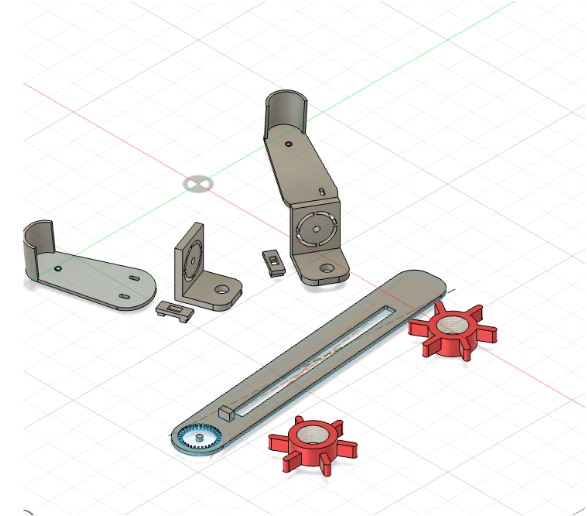
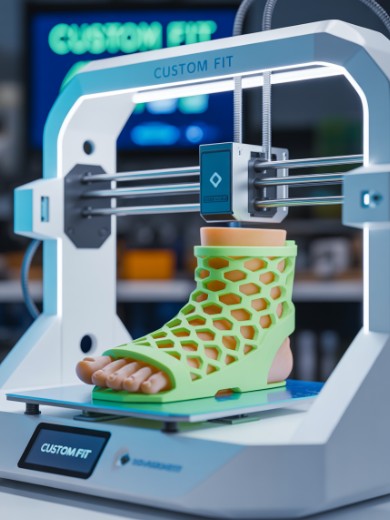
Contribution: Designed a patient-specific, lightweight, and ergonomically optimized clubfoot brace using additive manufacturing technologies. Focused on rapid prototyping, affordability, and comfort for infants and children affected by clubfoot. The study emphasized how 3D scanning and printing can accelerate orthopedic customization and reduce costs, potentially transforming pediatric bracing in low-resource settings.